Artificial intelligence (AI) has moved from conference-room buzzword to working tool in international trade. From automated document processing to predictive risk scoring at the border, AI in customs and logistics is changing how goods are declared, inspected, and delivered. For an industry built on paperwork, timing, and accuracy, the shift carries significant implications.
How AI Is Transforming Customs Clearance
Customs clearance involves multiple steps, including document verification, tariff classification, duty assessment and regulatory compliance. Errors or missing information can lead to queries, additional costs and shipment delays.
AI in customs clearance can help automate and streamline several of these activities.
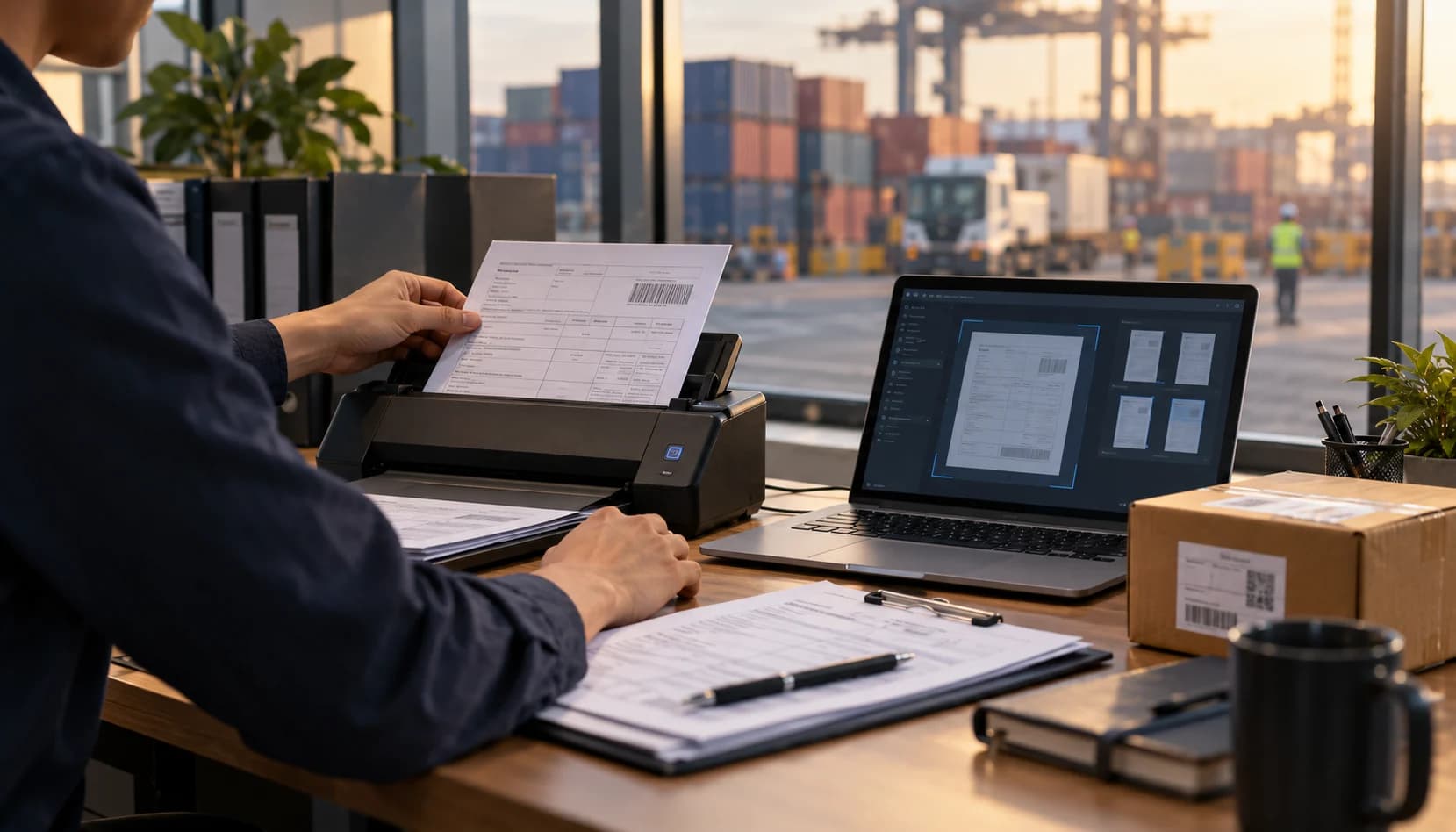
Using machine learning and Natural Language Processing (NLP), AI systems can extract relevant information from invoices, packing lists, bills of lading and other trade documents. They can compare data across documents, flag inconsistencies and identify missing information before a shipment reaches customs.
AI can also support the classification of goods by analysing product descriptions and suggesting relevant tariff codes for review. This can help businesses improve classification accuracy and reduce repetitive manual work.
However, final classification and compliance decisions must account for applicable customs laws and official requirements. AI-generated recommendations require appropriate human verification.
The World Customs Organization (WCO) identifies operational efficiency, risk management and trade facilitation as important areas for AI and machine learning adoption in customs administration.
Key Applications of AI in Customs
1. Risk Management and Targeting
Customs authorities increasingly rely on AI-driven risk engines to decide which consignments need closer inspection. Rather than checking cargo randomly, machine learning models learn from historical inspection outcomes and highlight high-risk shipments, allowing compliant cargo to move faster.
India offers a notable example. The Central Board of Indirect Taxes and Customs (CBIC) operates an Integrated Risk Management System that includes various AI and machine learning models, and its analytics platform, Project ADVAIT, supports risk targeting, network analysis, and valuation anomaly detection.
2. Non-Intrusive Inspection and X-Ray Image Analysis
AI-based image analytics can scan container X-ray images and detect anomalies, concealed goods, or mismatches with declared cargo. Indian Customs has been developing a centralised, vendor-agnostic image analytics solution through its National Customs Targeting Centre, as described in the WCO's customs magazine.
3. Classification, Valuation, and Fraud Detection
Machine learning tools are being used to flag under-invoicing, suspicious routing, and questionable HS code declarations. Accuracy in classification and valuation has therefore become more important, since inconsistencies can now be detected at scale.
AI Applications in Logistics Operations
Beyond regulatory checkpoints, AI is streamlining day-to-day logistics:
- Intelligent document processing: Tools combining optical character recognition (OCR) and natural language processing can read invoices, packing lists, and shipping documents, extracting data and drafting customs entries with minimal manual input.
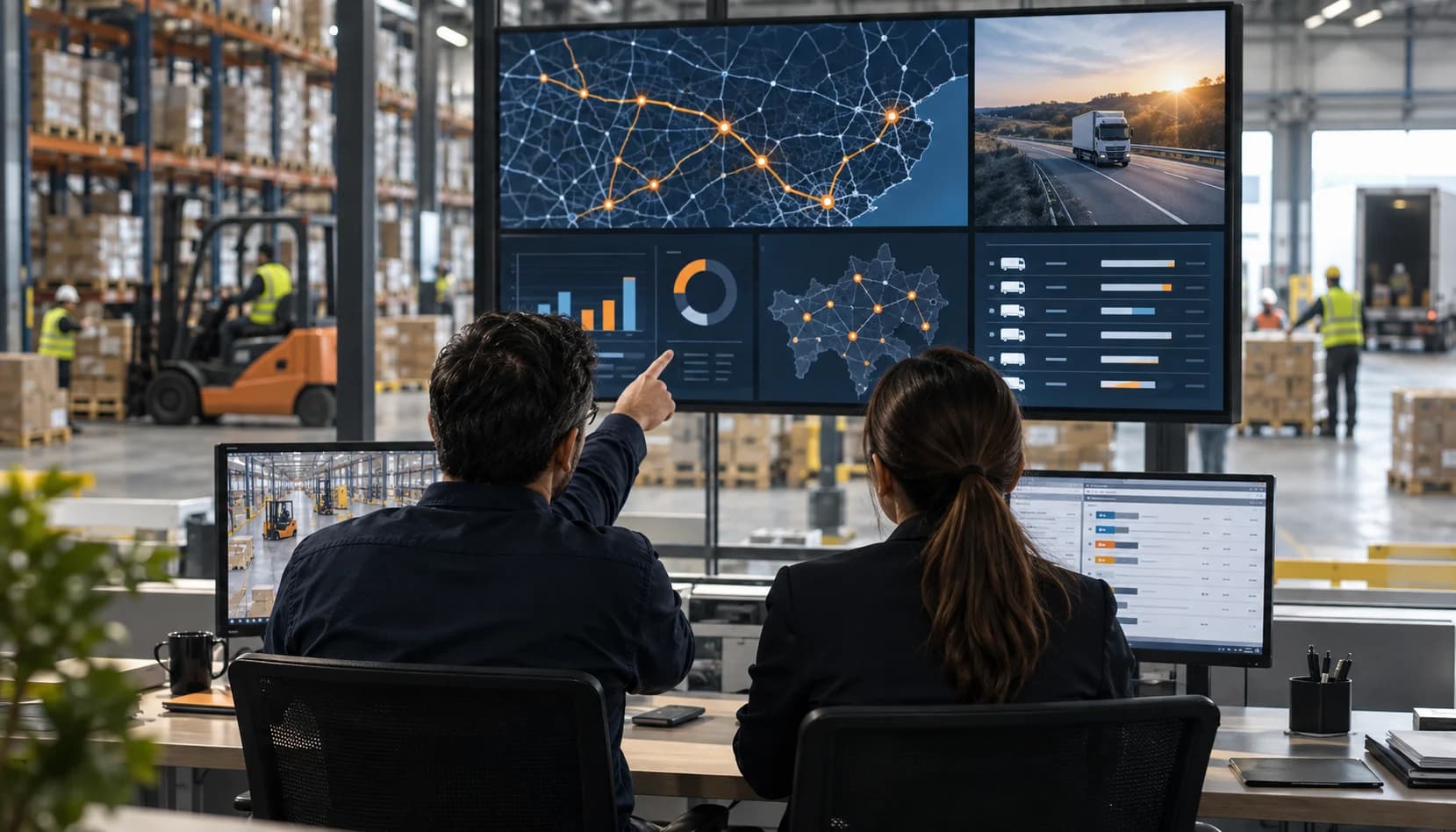
- Route and transit optimisation: Predictive models analyse port congestion, weather, and carrier performance to recommend efficient routings.
- Demand and inventory forecasting: AI helps anticipate shipment volumes, supporting better capacity planning.
- Shipment visibility and exception management: Automated alerts flag potential delays before they cascade through the supply chain.
- Generative AI assistants: Large language models are being explored for document analysis, responding to regulatory queries, and helping interpret complex trade data.
Challenges to Consider
AI adoption is not without hurdles. Data quality remains a core concern, since models are only as reliable as the information fed into them. Governance, transparency, and accountability in automated decisions are also active topics, and the WCO has highlighted fairness and ethical use as key considerations. Integration with legacy systems and skills gaps further slow progress, particularly across the Asia-Pacific region, where adoption is advancing unevenly.
What This Means for Trade Compliance
As customs authorities screen declarations with intelligent systems, accurate documentation, correct HS classification, and consistent data across every document are no longer optional. Inconsistencies that once passed unnoticed are far more likely to be detected. Businesses benefit from treating data accuracy as a core operational priority, and from partnering with providers that combine technology with genuine regulatory expertise.
How Babaji Shivram Can Support the Future of Digital Logistics
As international trade becomes increasingly data-driven, businesses need logistics partners who can combine operational expertise with technology-enabled processes.
At Babaji Shivram, efficient customs clearance, trade compliance and end-to-end logistics coordination are central to supporting businesses engaged in global trade. Integrating digital logistics solutions and data-driven practices into these operations can help improve documentation accuracy, strengthen shipment visibility and support informed decision-making.
For importers and exporters, the objective is not simply to adopt new technology. It is to build a logistics framework that supports compliance, operational efficiency and dependable cross-border movement.
AI in customs and logistics is still evolving, but its role in modern supply chains is becoming increasingly significant. Businesses that understand its capabilities, limitations and practical applications will be better equipped to navigate the changing demands of international trade.
Discuss your requirements.
Connect with our team about customs, trade compliance and your next shipment.
Talk to our team ↗