Freight management has traditionally depended on multiple moving parts like carriers, freight forwarders, customs authorities, warehouses, ports, transporters and customers. Managing these connections manually can make it difficult to maintain visibility, control costs and respond quickly to disruptions.
Digital logistics is changing that equation. From real-time shipment tracking and cloud-based platforms to artificial intelligence (AI), Internet of Things (IoT) and data analytics, technology is making freight management more connected, transparent and responsive.
For businesses managing domestic or international shipments, digital freight management is no longer simply about automation. It is about having the information needed to make faster and better logistics decisions.
What Is Digital Logistics?
Digital logistics refers to the use of technology to plan, execute, monitor and optimise logistics and supply chain operations. It connects data from transportation, warehousing, freight forwarding, customs and other logistics functions through digital systems.
Modern logistics platforms can provide real-time shipment visibility, automate data exchange and bring different stakeholders onto a connected workflow. Babaji Shivram, for example, uses technology-enabled solutions to provide shipment visibility and automate processes and data exchange.
Key Technologies Reshaping Freight Management
1. Artificial Intelligence and Machine Learning
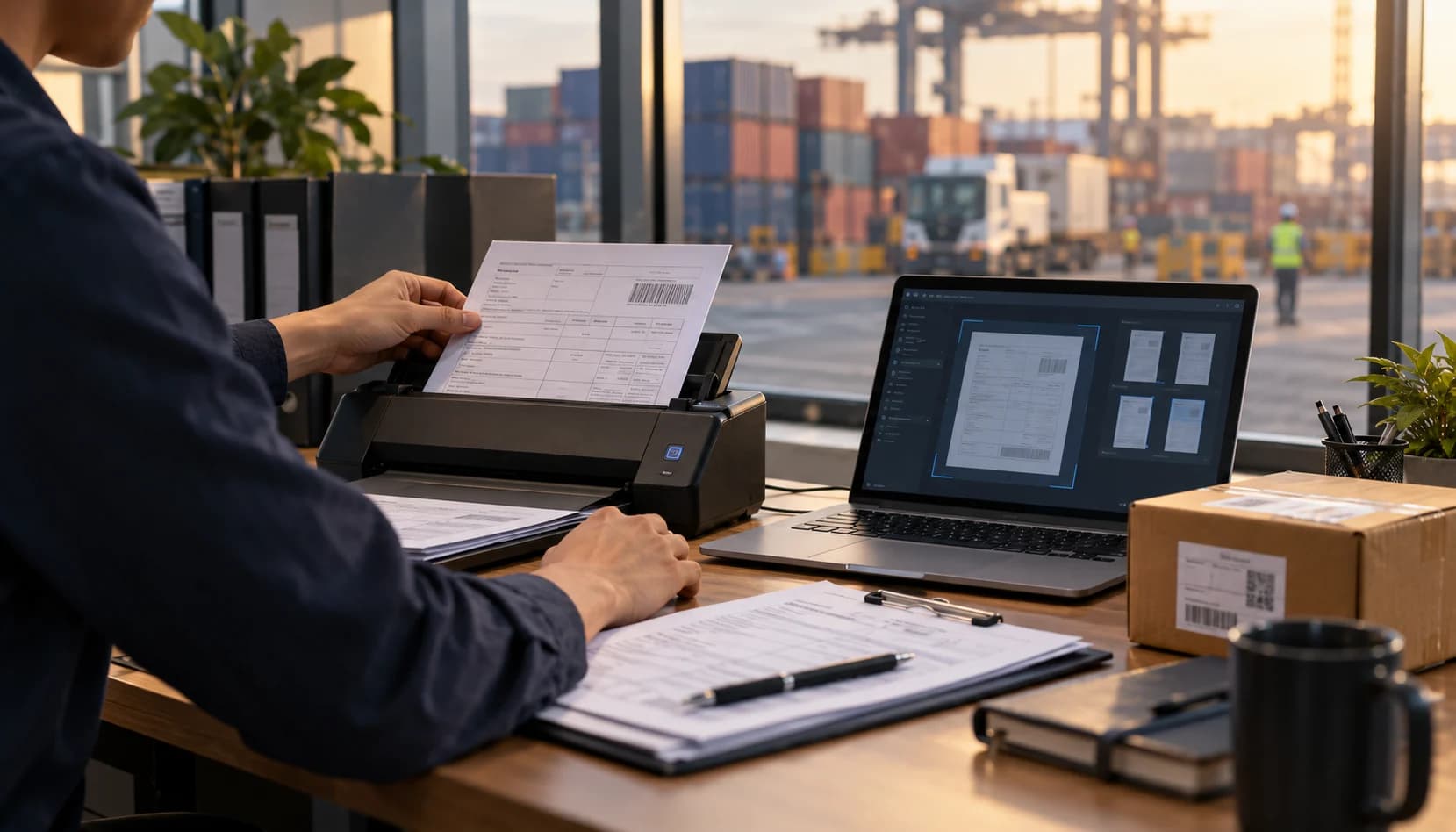
AI has moved well beyond experimentation into daily freight operations. Machine learning models now support demand forecasting, dynamic route planning, and rate analysis, helping businesses time carrier negotiations and anticipate capacity constraints. One of the fastest-adopted use cases is automated document processing is extracting and validating data from invoices, packing lists, and customs paperwork which significantly reduces manual workload and accelerates clearance timelines.
2. Real-Time Visibility and IoT
Internet of Things (IoT) sensors attached to containers, pallets, or vehicles now provide continuous data on location, temperature, and condition throughout transit. This shift from periodic status updates to real-time visibility means potential disruptions, a delayed vessel, a temperature breach, a missed connection can be flagged and addressed before they escalate into larger problems. What was once a reactive freight model is steadily becoming a predictive one.
3. Digital Freight Platforms and Marketplaces
Online freight platforms now allow businesses to compare rates, book capacity, and track shipments through a single digital interface, replacing the traditional cycle of phone calls and email quotes. These platforms bring pricing transparency and speed to a process that was historically opaque and slow-moving.
4. Electronic Documentation and Digital Bills of Lading
Paper-based bills of lading are steadily giving way to electronic bills of lading (eBLs), with the shipping industry working toward widespread adoption by the end of the decade. Digital documentation eliminates the delays and errors associated with manual handoffs and physical document transfers between multiple parties across a shipment's route.
5. Predictive Analytics and Control Towers
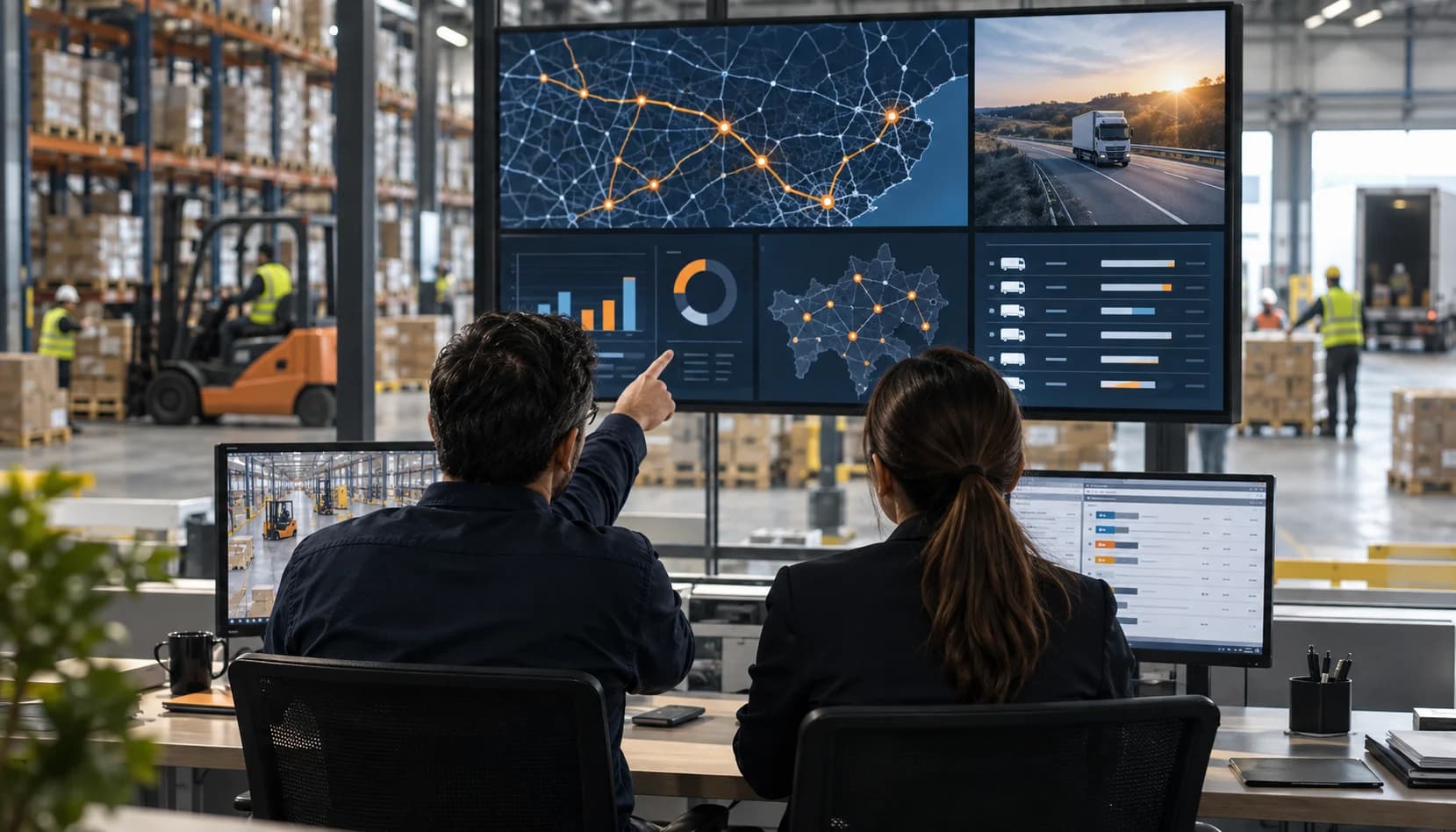
Freight control towers centralised dashboards that consolidate shipment data across carriers, modes, and regions are evolving from simple tracking tools into AI-enabled decision hubs. These systems increasingly flag exceptions and recommend corrective action automatically, rather than requiring manual monitoring of every shipment in transit.
The Human Element Still Matters
Despite rapid technological progress, digital tools work best when paired with experienced logistics professionals who understand regulatory nuance, exception handling, and the practical realities of moving cargo across borders. Technology can flag a delayed shipment or a documentation mismatch, but resolving it often still requires judgment, relationships, and hands-on expertise, particularly in markets with complex or fast-changing compliance requirements. Industry analysis from outlets like FreightWaves consistently points to this same conclusion: the most resilient freight networks combine digital intelligence with strong operational fundamentals, not one at the expense of the other.
The Future of Freight Management Is Connected
Digital transformation is not replacing logistics expertise but it is enhancing it. Technology provides data, visibility and automation, while experienced logistics professionals use that information to manage exceptions, navigate complex regulations and make critical operational decisions.
For businesses, the future of freight management will increasingly depend on connected systems that bring transportation, warehousing, customs, documentation and supply chain data together.
At Babaji Shivram, technology forms part of an integrated approach to logistics, supported by freight forwarding, transportation, warehousing, customs clearance and supply chain solutions.
As global supply chains become more complex, digital logistics will play a growing role in making freight management more visible, predictive and efficient helping businesses move from simply tracking shipments to managing their entire logistics network with greater intelligence.
Discuss your requirements.
Connect with our team about customs, trade compliance and your next shipment.
Talk to our team ↗